
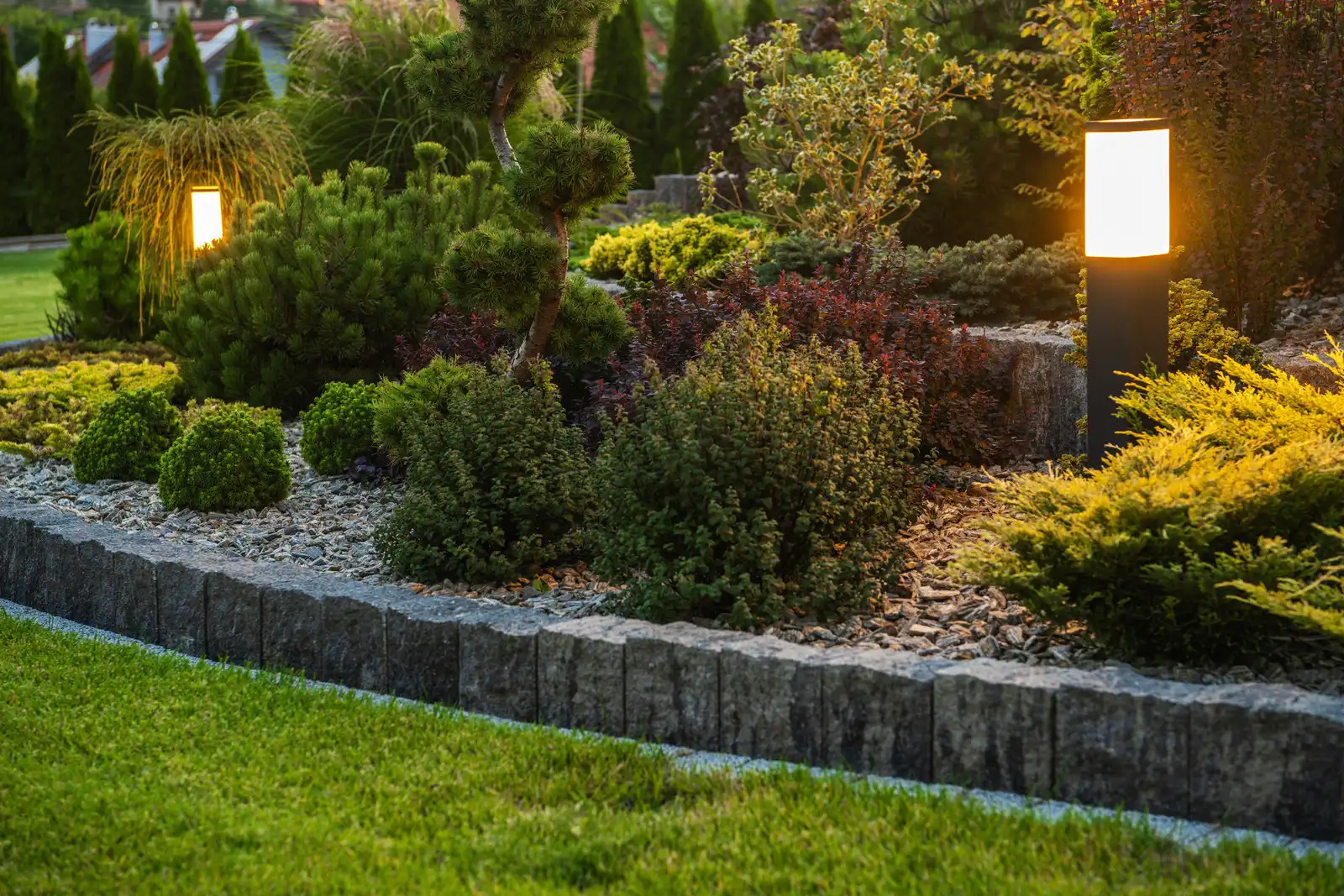

Florida's outdoor lighting challenges are unlike anything homeowners face in most other states. Between relentless UV exposure, salt-laden coastal air, hurricane-force winds, and near-daily afternoon downpours, the fixtures that work fine in a dry Northern climate will rust, crack, and fail within a single season here. Knowing how to choose outdoor lighting for your Florida home means understanding not just aesthetics, but also ingress protection ratings, material science, energy performance, and layered design strategy.
Key Takeaways
- Florida's climate demands fixtures rated IP65 or higher, with marine-grade metals that resist salt air, humidity, and UV degradation.
- LED technology is the clear long-term choice, lasting 25,000+ hours versus 1,000 for halogen, with lower operating costs despite a higher upfront price.
- A layered approach combining security, ambiance, and navigation lighting produces the most functional and visually polished result.
- Fixture style should align with your home's architecture, from wrought iron lanterns for Mediterranean homes to minimalist fittings for modern builds.
- All electrical work should be performed or overseen by a licensed Master Electrician to meet Florida code and ensure safe, durable installations.
- Outdoor audio integration is a natural extension of a well-designed lighting plan, adding function to patios, pergolas, and pool areas.
Why Florida's Climate Changes Every Lighting Decision
Most general outdoor lighting advice treats weather resistance as a secondary concern. In Florida, it is the primary filter. A fixture that earns a solid rating in a temperate climate brochure may still fail along the Gulf Coast or in South Florida's high-humidity interior.
The key rating system to understand is the Ingress Protection (IP) scale, defined by the International Electrotechnical Commission. The two digits after "IP" describe resistance to solid particles and liquids respectively. For Florida installations:
- IP65: Protected against low-pressure water jets from any direction. Minimum acceptable for most Florida residential applications.
- IP66: Protected against high-pressure water jets. Recommended for fixtures under direct roof runoff or near pool splash zones.
- IP67: Can withstand temporary immersion up to 1 meter. Best choice for fixtures directly exposed to ocean air or installed at grade level in wet zones.
Material selection matters just as much as ratings. Marine-grade stainless steel, solid brass, copper, and powder-coated aluminum are the materials that genuinely hold up. Zinc die-cast or chrome-plated fixtures corrode quickly in humid, salty conditions, regardless of their IP rating.
UV exposure is a factor many homeowners overlook. Florida ranks among the highest states for UV index readings, according to the U.S. Environmental Protection Agency's UV Index data. Plastic lenses and low-grade powder coatings yellow and degrade within one to two seasons. Tempered glass lenses and UV-stable finishes are a more reliable investment.
When working with the facades of a home, wash lights and grazing fixtures are the most effective tools for revealing texture and depth in stucco, brick, or wood cladding. Grazing, which positions the light source close to the surface and at a steep angle, is particularly dramatic on textured Florida stucco.
For tree and plant uplighting within a landscape design, in-ground fixtures or adjustable stake-mount uplights work best. Florida's native palms, live oaks, and bird of paradise plants respond beautifully to narrow-beam uplighting that separates them visually from the sky.
Downlights installed under soffits or pergola beams provide practical overhead illumination without the harsh glare of exposed bulbs. This approach is especially useful for covered outdoor living areas, which are common in Florida homes designed for year-round outdoor use.
LED vs. Halogen: The Numbers Make the Decision
Most Florida homeowners still encounter halogen fixtures during renovations or when replacing older systems. The comparison is straightforward:
- LED lifespan: 25,000+ hours
- Halogen lifespan: approximately 1,000 hours
- LED upfront cost: $20 to $40 per fixture
- Halogen upfront cost: $4 to $10 per fixture
- LED operating cost: roughly 75% lower energy consumption than halogen
Over a five-year period, an outdoor LED fixture operating four hours per night in Florida will cost significantly less to run than its halogen equivalent, even after accounting for the higher purchase price. Given Florida's electricity rates and the volume of outdoor fixtures a typical home requires, the savings compound quickly.
LED also handles Florida's heat better than many homeowners expect. Modern LED drivers are engineered to manage thermal output, and quality fixtures include heat-sink designs that dissipate warmth effectively even in high ambient temperatures. The U.S. Department of Energy's LED lighting resources confirm that LED efficacy has improved substantially, with modern fixtures delivering more lumens per watt than ever.
Applying a Layered Design Approach
A layered lighting design is not a luxury concept reserved for high-budget projects. It is the practical framework that separates a thoughtful installation from a random collection of fixtures.
Layer 1 covers the structural and architectural elements: rooflines, eaves, soffits, and columns, which work together to enhance the home's most prominent features when properly illuminated with garden and exterior accent lighting. Work performed at this level sets the foundation for everything else and establishes the home's curb appeal after dark.
Layer 2 addresses landscape features: trees, planting beds, water features, and lawn perimeters. This layer creates depth and draws the eye across the property.
Layer 3 handles navigation and safety: pathways, steps, driveways, and gates. This layer is functional by definition but can still contribute to the aesthetic if fixtures are chosen to complement the overall design.
Integrating outdoor audio into a layered outdoor plan is a logical extension. Speaker placement mirrors lighting logic in that coverage, not volume, is the goal, and the two systems share conduit runs when installed together, reducing cost and disruption.
Matching Fixtures to Florida Home Styles
Florida's residential architecture spans a wide range, and the wrong fixture style can undermine an otherwise well-planned design.
Mediterranean and Spanish Colonial: Wrought iron lanterns, amber glass panels, and warm bronze or oil-rubbed bronze finishes. Wall sconces with decorative scrollwork complement the arched doorways and tile roofs common in South Florida neighborhoods.
Contemporary and Modern: Low-profile, geometric fixtures in matte black, brushed nickel, or architectural aluminum. Linear hardscape lighting and minimalist in-ground uplights work well with flat rooflines and clean wall planes.
Old Florida and Coastal Cottage: Copper or brass fixtures with a natural patina. Cage-style pendants, simple post lanterns, and driftwood-tone finishes align with the relaxed character of this style.
Ranch and Traditional: Classic lantern profiles in black or dark bronze. Symmetrical placement flanking garage doors and entry porches reinforces the proportional, grounded look these homes are known for.
Things to Know
- Florida's building code requires permits for certain electrical outdoor lighting installations. Always verify permit requirements with your local jurisdiction before starting work.
- Low-voltage landscape lighting (typically 12V systems) does not always require a permit, but line-voltage work always does.
- Salt air corrosion is accelerated within roughly one mile of the coast. Homeowners in Miami Beach, Naples, and similar locations should prioritize IP67 fixtures and solid brass or copper materials specifically.
- Timer controls and smart dimming extend bulb life and reduce energy consumption. They also allow homeowners to program seasonal changes without visiting the property.
- Fixtures installed near pool equipment must comply with National Electrical Code (NEC) Article 680 clearance requirements.
- Anthony of Well Lit Landscape Lighting holds a Master Electrician license and has worked in the electrical trade long enough to see multiple generations of outdoor lighting technology come and go. That depth of experience informs material and system recommendations that go beyond catalog defaults.
Frequently Asked Questions
Q: What IP rating should outdoor fixtures have in coastal Florida cities like Naples or Miami Beach?
IP66 or IP67 is the recommended minimum for fixtures within a mile of the ocean.
The combination of salt air, humidity, and windborne spray creates accelerated corrosion conditions. Higher-rated fixtures with marine-grade metal bodies provide substantially longer service life and reduce the frequency of replacements.
Q: Is low-voltage landscape lighting a good option for Florida properties?
Yes, low-voltage systems are widely used and practical for most landscape and pathway applications.
They are safer to install around plant material and water features, and modern low-voltage LED fixtures deliver excellent light output. However, any transformer or line-voltage connection point still needs to be properly weatherproofed and code-compliant.
Q: How many outdoor lighting fixtures does a typical Florida home need?
The number depends on the property size, objectives, and architectural complexity, but most single-family homes benefit from 10 to 25 fixtures across all layers.
A compact courtyard home might need fewer than ten, while a larger property with mature trees, a pool, and a long driveway could require 30 or more. A site assessment before purchasing anything prevents over-buying or under-serving specific zones.
Q: Can outdoor lighting increase a Florida home's resale value?
Well-designed outdoor lighting consistently improves curb appeal and is cited by real estate professionals as a cost-effective exterior upgrade.
According to the National Association of Realtors, exterior improvements that increase nighttime curb appeal contribute positively to buyer perception. The effect is particularly strong in Florida markets where outdoor living is a primary selling feature.
Q: Should outdoor lighting installation in Florida be handled by a licensed electrician?
Any line-voltage work must be performed by or under the supervision of a licensed electrician in Florida.
Even low-voltage landscape systems benefit from professional design and installation to ensure proper load balancing, weatherproofing, and fixture placement. Working with a licensed Master Electrician, as with Well Lit Landscape Lighting, removes code compliance uncertainty entirely.
The Bottom Line on How to Choose Outdoor Lighting for Your Florida Home
Knowing how to choose outdoor lighting for your Florida home comes down to three non-negotiable factors: materials rated for the climate, LED technology for long-term performance, and a layered design strategy that serves security, ambiance, and navigation simultaneously. Everything else, from fixture style to color temperature to control systems, flows from those three foundations.
Well Lit Landscape Lighting serves residential clients across Florida, including Miami, Jacksonville, Naples, Orlando, Tampa, West Palm Beach, Sarasota, Fort Lauderdale, Boca Raton, and St. Petersburg. Every project is handled in-house by Anthony, a licensed Master Electrician, and his son Christopher, with no subcontracted labor. For homeowners who want outdoor lighting designed and installed by people who understand Florida's specific demands, that combination of licensure, experience, and direct accountability is worth seeking out.
Request your quote and we'll show you what your yard can become after dark. You'll get a custom lighting design built around your home, a straightforward price with no surprises, and outdoor audio too if you want the space to sound as good as it looks.
No pressure and no obligation. Just honest answers from a family-run team that treats your property like our own and helps you make the right call.
Book an Appointment
We have received your estimate request and will be reaching out to you shortly.